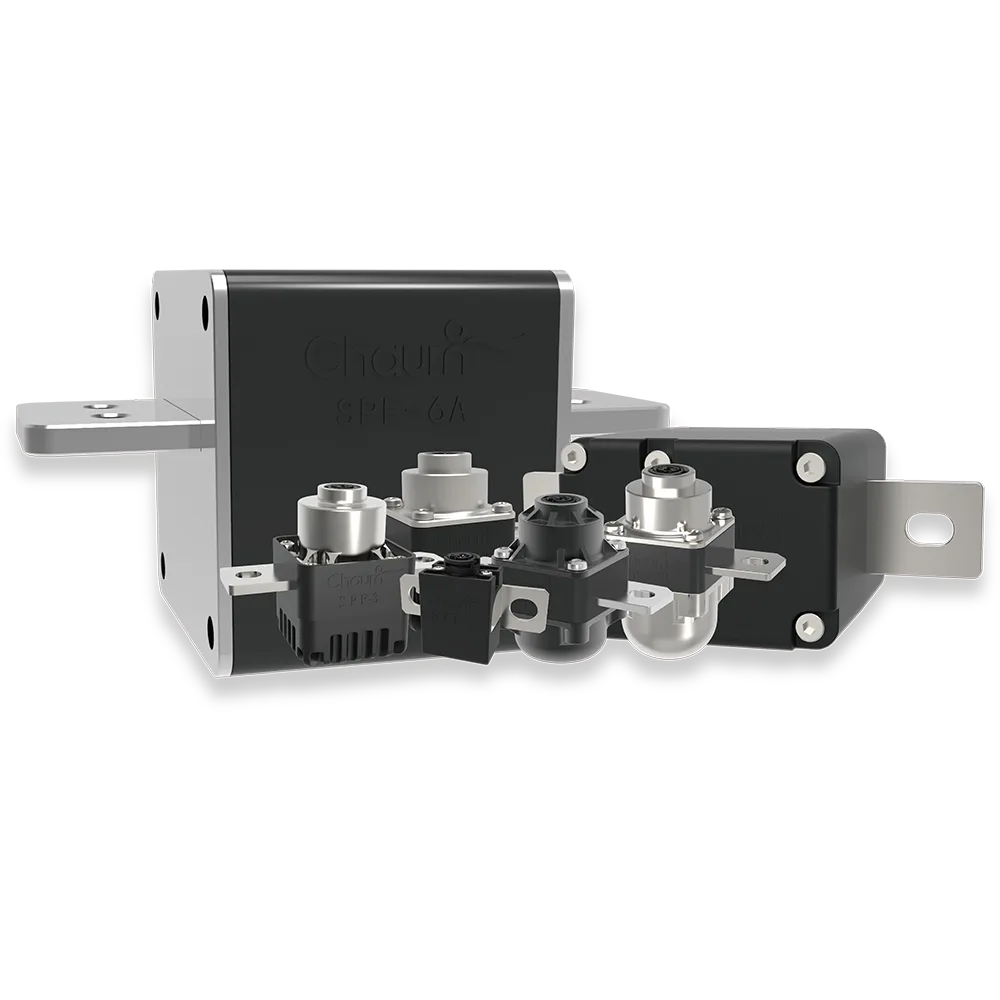
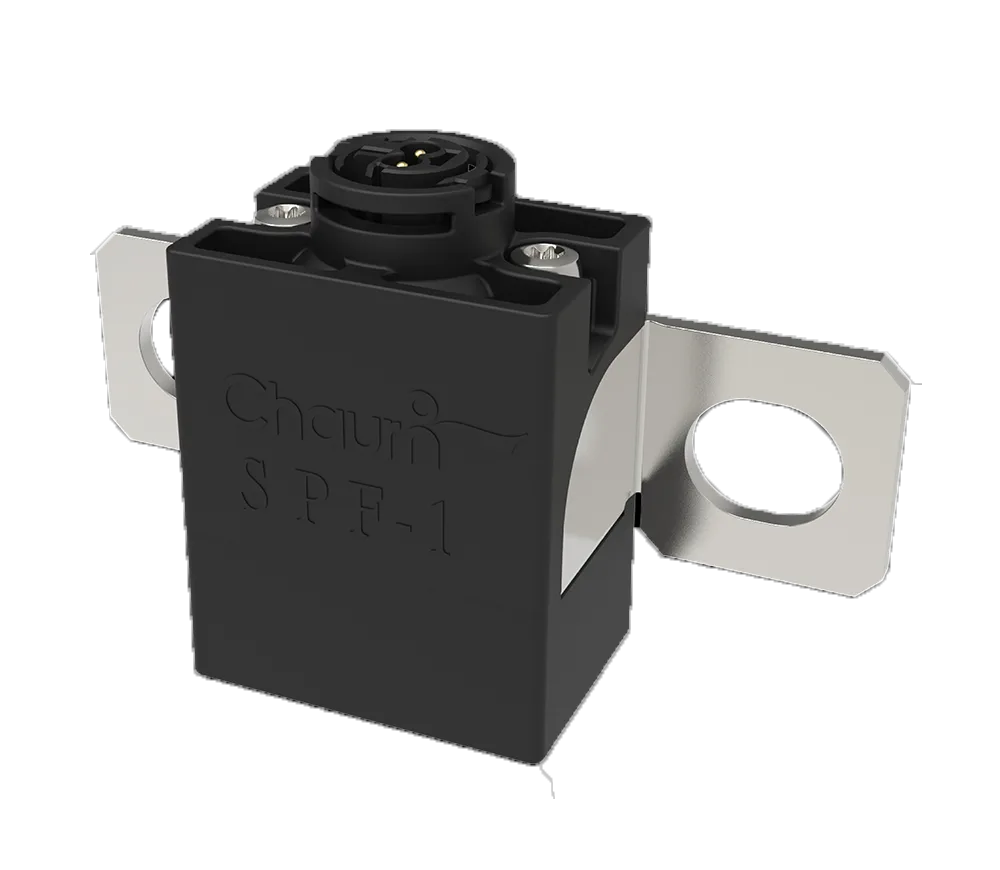
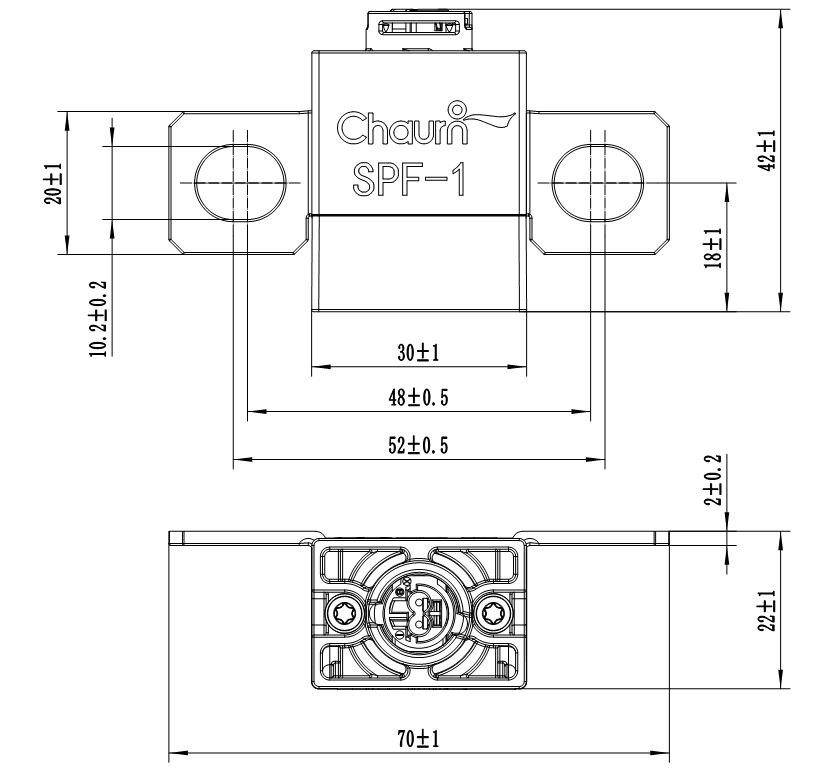
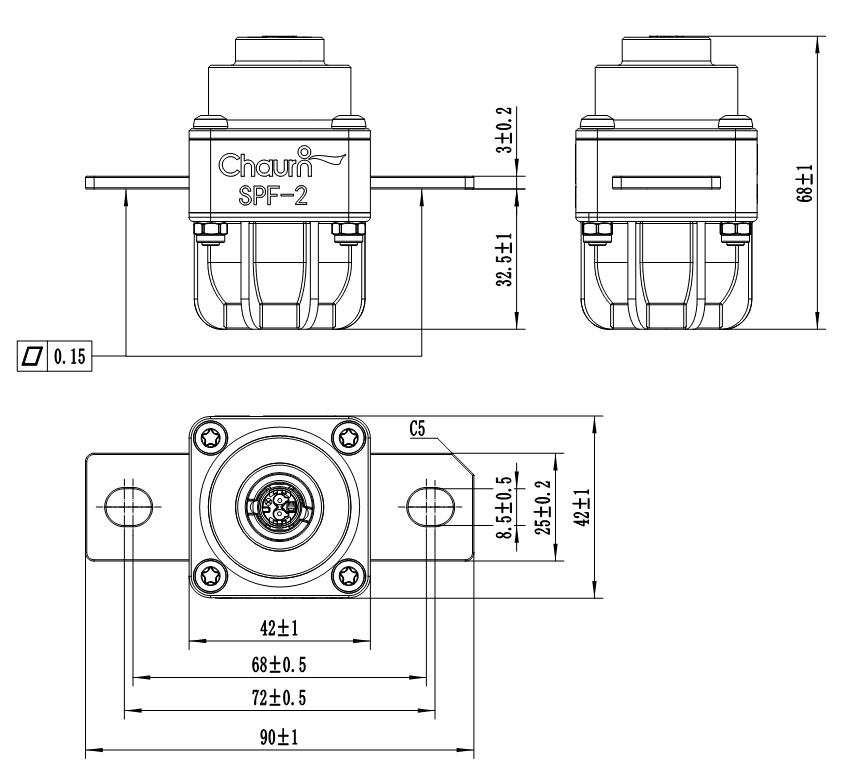
A pyrofuse has no second chance — that’s why consistency matters.
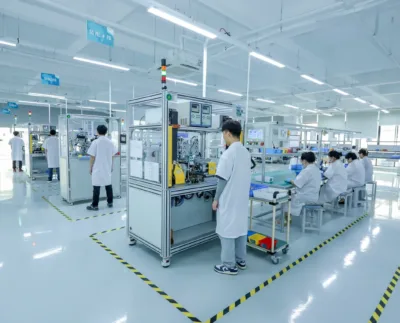
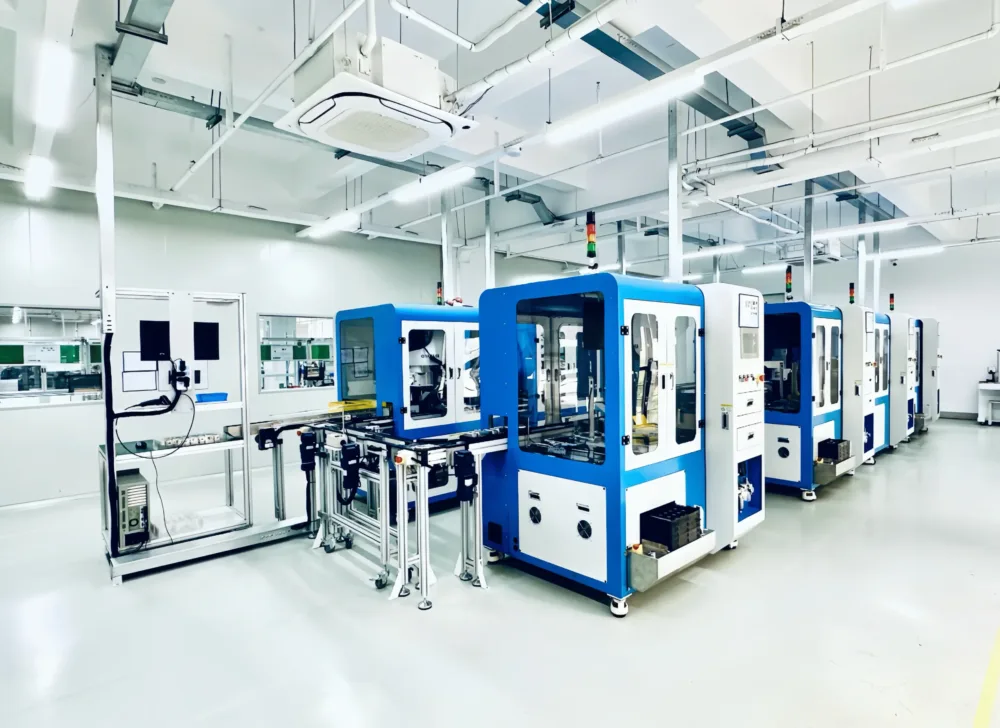
To ensure consistent performance, we reduce manual variation with fully automated assembly. We combine this with in‑process inspection and statistical control of critical parameters.
Result: repeatable triggering behavior across batches — not just on selected samples
Fully automated assembly & in‑line inspection
Controlled trigger‑element tolerances
In‑process control of critical parameters
Can Your Project Afford Long Lead Times?
Fast iteration matters in both R&D and production.
We support short sample lead times for early validation, then scale production once the design is finalized.<br>Formal: We support short sample lead times for early validation and scalable capacity for volume ramp‑up once the design is finalized.
Our supply model aligns with engineering timelines — not disrupts them.
Ready-to-Ship Samples
Automated High-Volume Production
Stable Quality & On-Time Delivery
What Happens If the Control Signal Is Unavailable?
In some systems, a single trigger path is not enough.
We support optional fail‑safe architectures, where passive disconnection behavior can complement an active trigger signal under defined abnormal conditions. This adds an extra layer of system‑level protection when required.
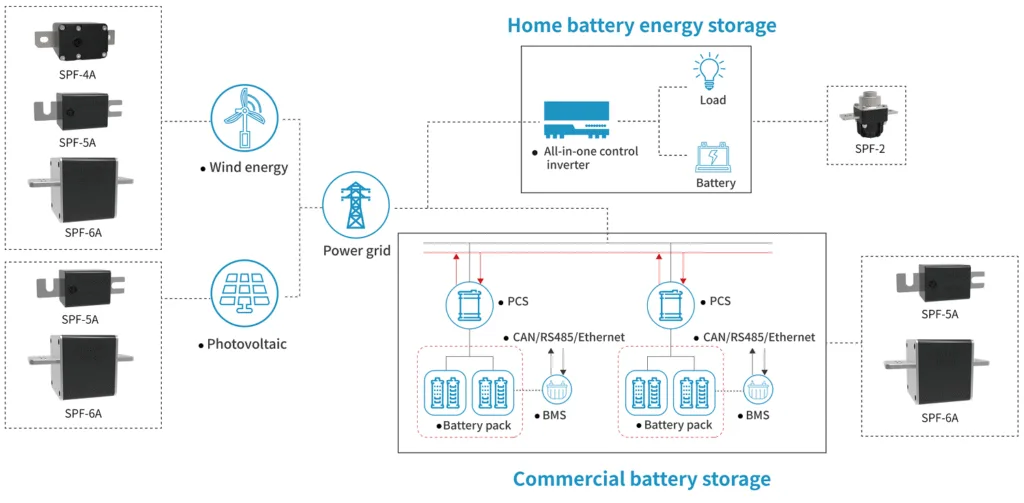
Wind power, Solar & Energy Storage System Fuse Application Scenario
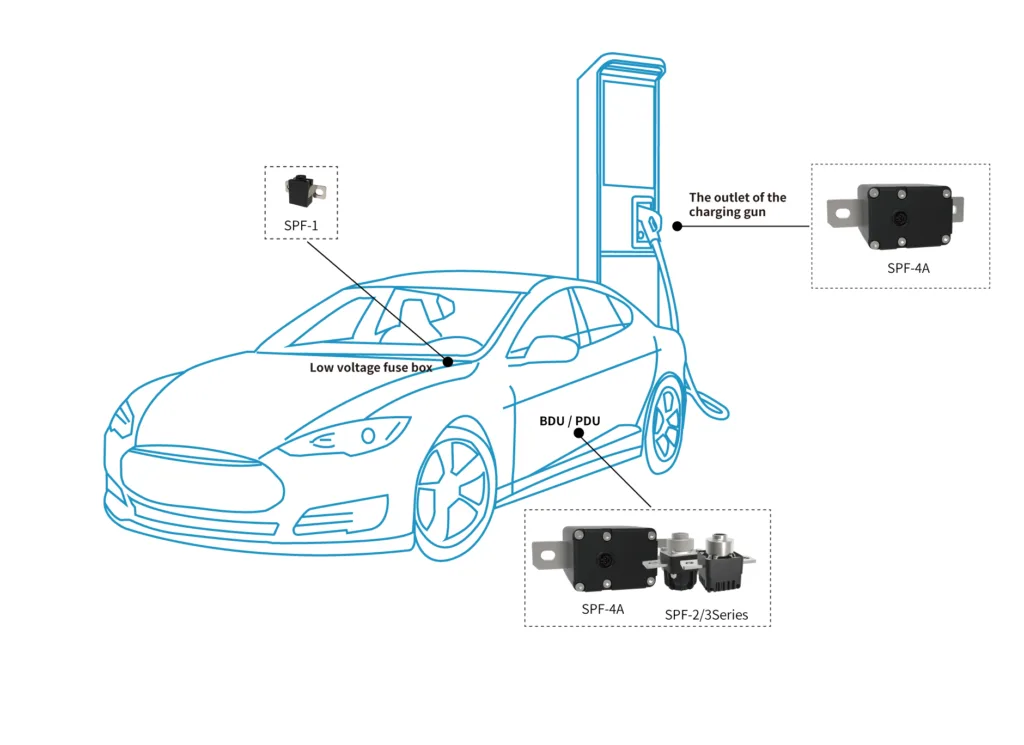
EV & Charging Station Fuse Application Scenario
Who We Are
Led by industry experts. Built on in‑house manufacturing & validation.
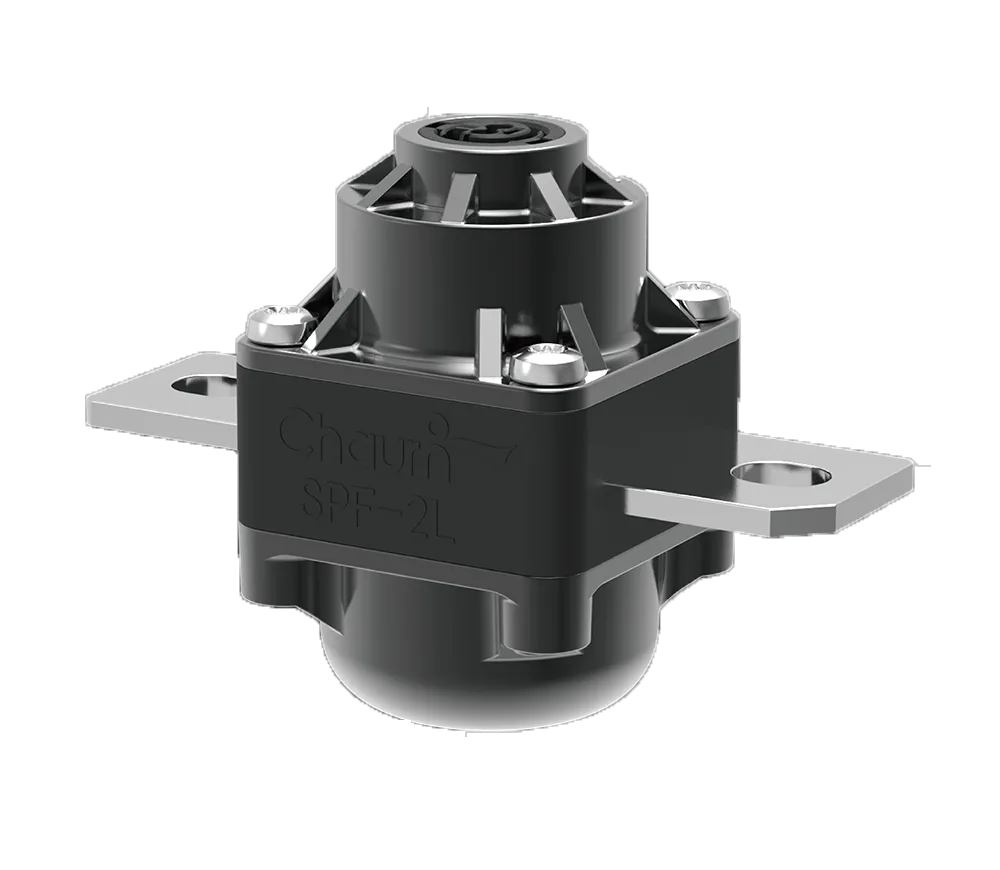
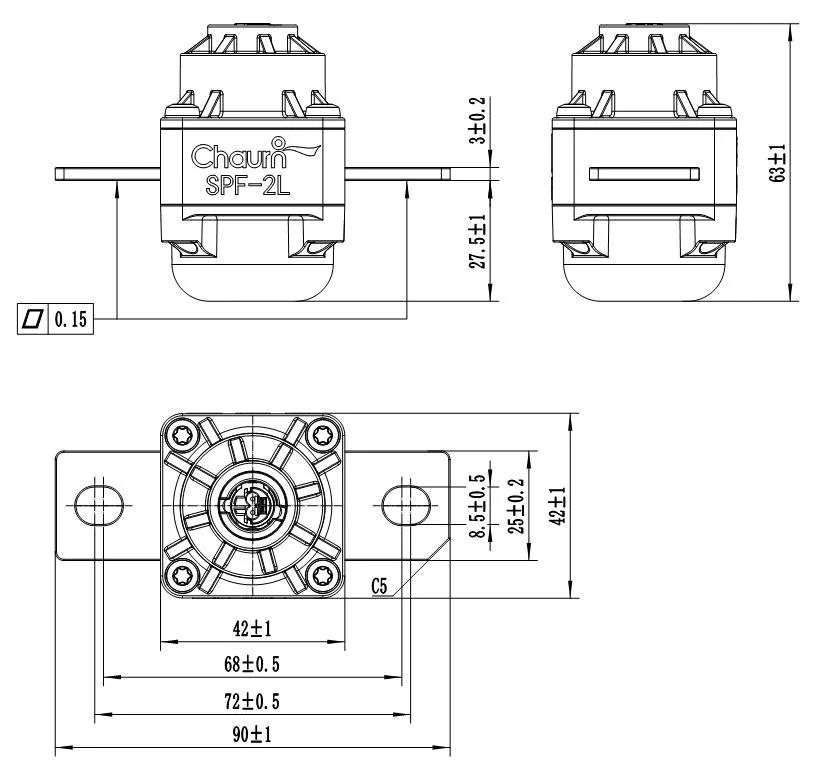
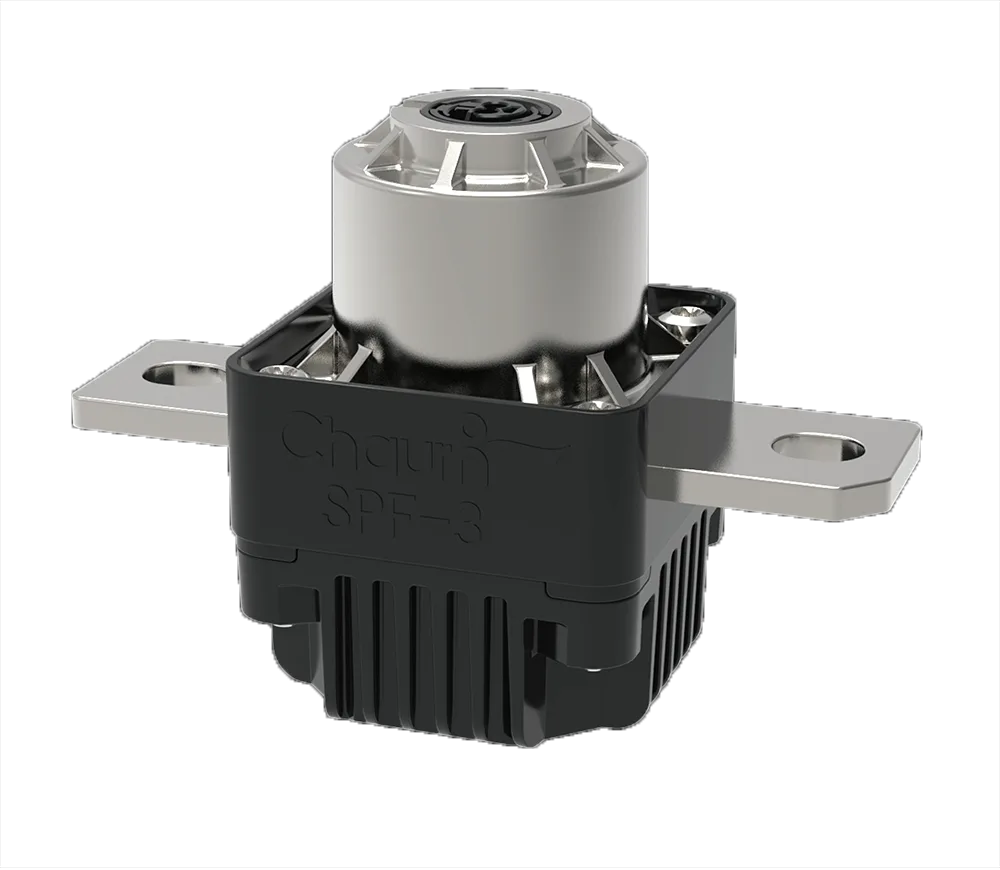
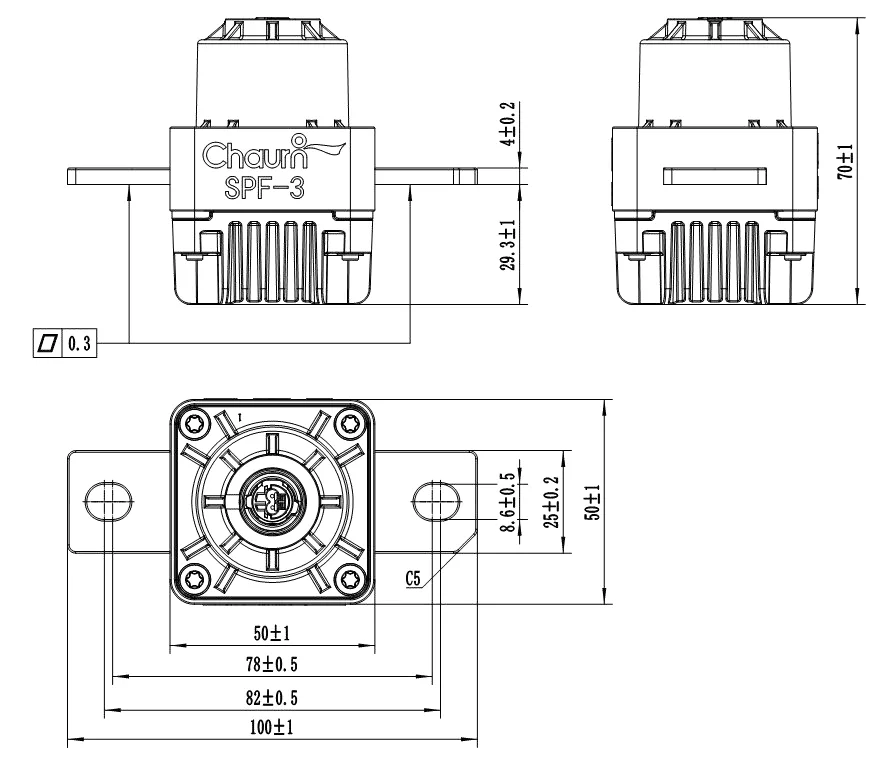
Chauron Technology develops pyrofuse solutions for battery and DC protection applications.
We are a manufacturer with direct control over design, validation, and production.
Our technical direction is led by Dr. Dai, a Standards Committee Member in China’s fuse industry, ensuring designs based on defined testing methods and established standards.
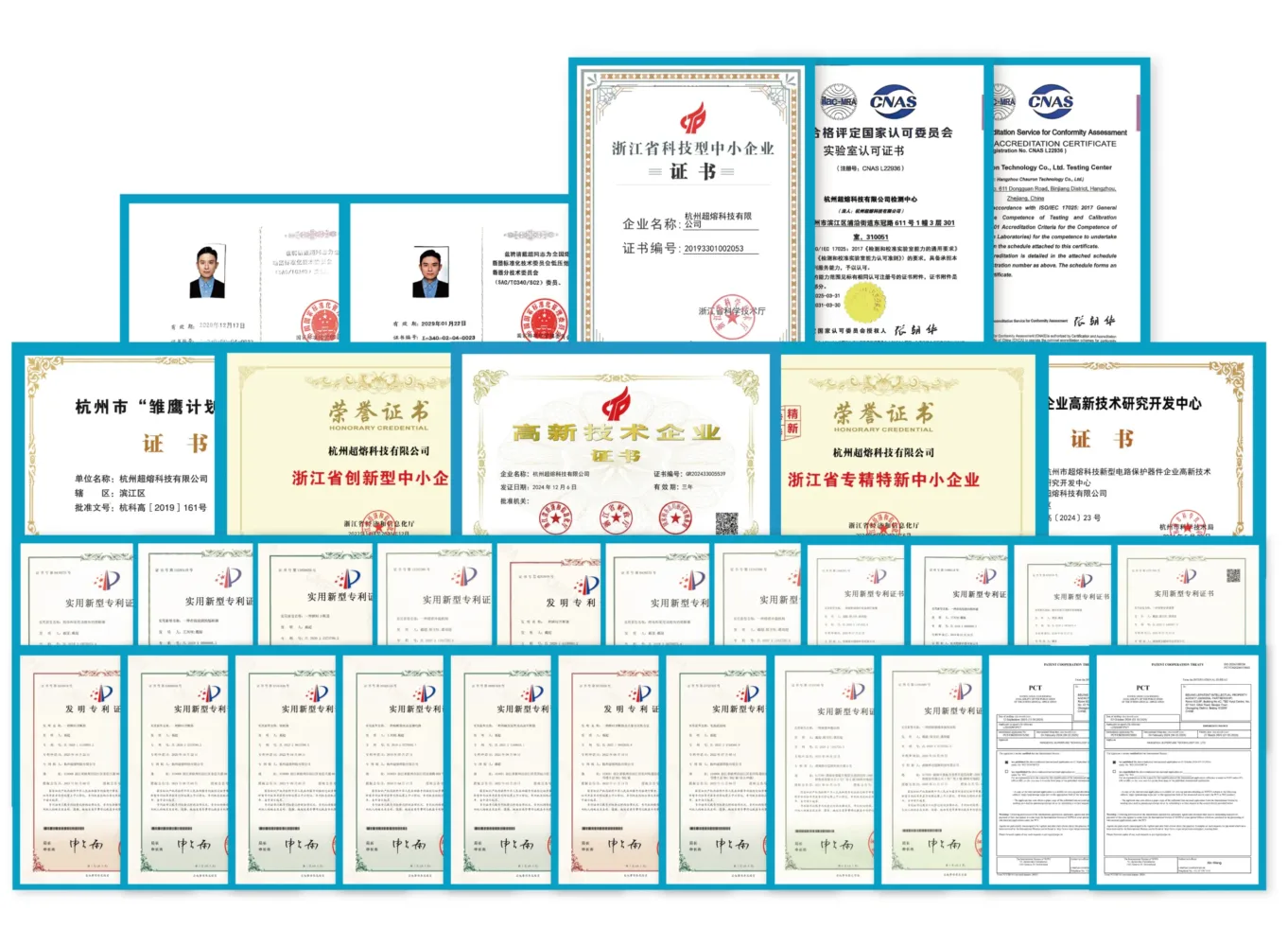
Our products are supported by two manufacturing facilities and an in-house CNAS-accredited laboratory, where key performance parameters are verified.
This provides test-backed performance for engineers and stable supply for procurement teams.
Why Choose Chauron?
01
Standards Leadership
We Help Shape Industry Standards
SAC/TC340 member (Fuses Technical Committee, Standardization Administration of China)
Contributor to GB/T standards for battery system fuses (details available upon request)
Contributor to revisions of GB/T standards for EV and PV fuses (details available upon request)
Our founder plays a key role in China’s fuse standards, helping our solutions align with evolving requirements and supporting your path to certification.
In-house testing supports faster validation and provides reliable performance data for engineering evaluation.
CNAS Certified – China National Accreditation Service for Conformity Assessment
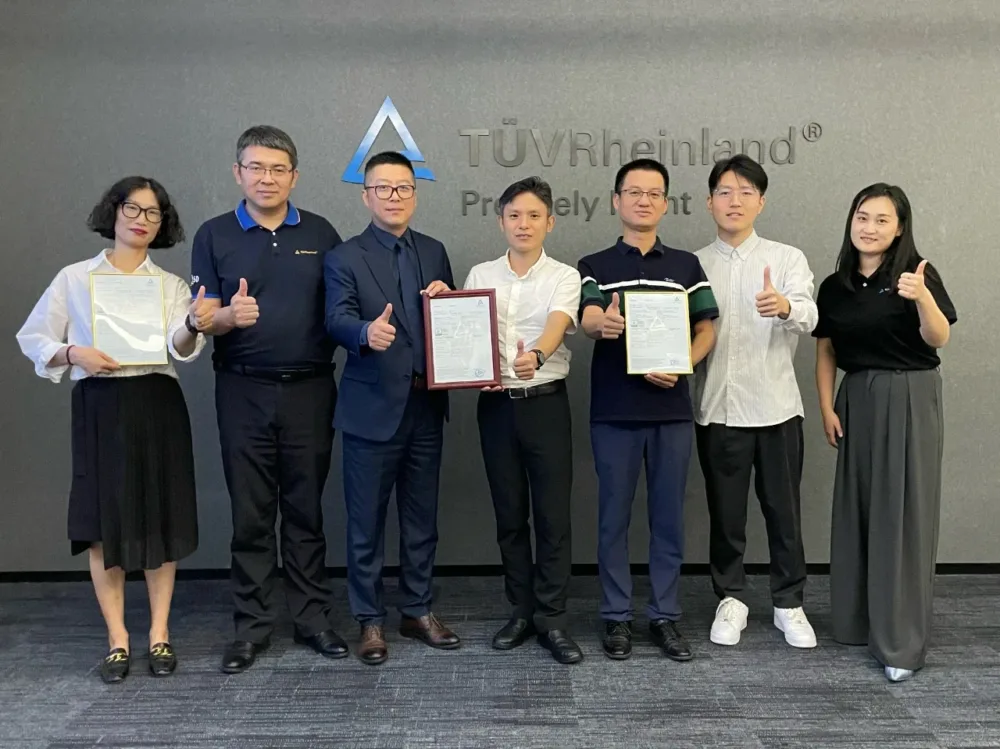
Certifications available (by model): CE / CCC / UL / TÜV
Quality & EHS systems aligned with IATF 16949, ISO 45001, and ISO 14001 (details on request)
03
Fully Automated Manufacturing
Build with Automation
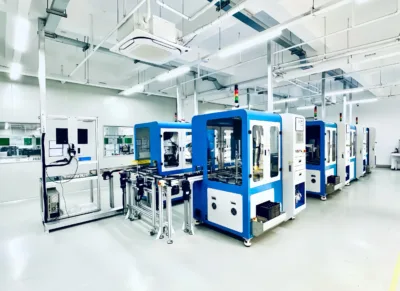
We operate two fully automated factories to ensure consistent quality, stable processes, and flexible production — supporting reliable, on‑time delivery at scale.
Fully Automated – Precision-built for consistency and scale
Flexible Production – Quickly adjust to different orders and custom requirements
Dual Facilities – Redundancy and capacity to support urgent or parallel projects
Officially recognized as a National High‑Tech Enterprise, backed by strong R&D and innovation capabilities to support long‑term reliability and trusted technical solutions.
National High‑Tech Enterprise — recognized under China’s High‑Tech Enterprise program
Unlike passive fuses, a pyrofuse uses a triggered disconnection mechanism to isolate high-energy DC circuits within a defined time window. Proper trigger coordination and system integration are essential to ensure correct operation.
Standard models cover up to 1000VDC. We also support higher voltage applications based on system requirements, with configurations available for advanced battery and energy systems. Please contact our engineering team for further discussion.
Currently, there is no dedicated UL or IEC standard specifically covering pyrofuses. Our products are designed and validated based on applicable system-level requirements, material flammability standards (UL 94 V-0), and internal verification protocols. In addition, selected models have been validated in automotive OEM and Tier-1 programs as part of customer-specific system evaluations. Relevant test data and validation reports can be provided during technical evaluation.
Key inputs include DC system voltage, normal and fault current levels, circuit inductance, trigger strategy, and mechanical integration constraints. Providing complete system information enables accurate selection and validation.
For standard models, samples are typically ready within 3 days. For application-specific adaptations, lead time may vary depending on design scope and validation requirements.
No. While pyrofuses are widely used in EV battery systems, they are also applied in energy storage, high-voltage charging, and industrial DC distribution systems where fast, controlled isolation is required.